Choosing the right Glass Spice Jar can elevate your culinary experience. Many options exist in the market, making it overwhelming for buyers. Each jar serves a distinct purpose, from storage to presentation.
Some buyers may prioritize aesthetics, while others focus on functionality. A quality Glass Spice Jar should maintain the freshness of spices and enhance the kitchen's look. However, not all jars are created equal, and shoppers should consider several factors.
Factors like jar size, lid type, and dishwasher safety play a role. Exploring various brands reveals a range of design options. Think about what spices you need to store. Closing the jar tightly is essential for preserving flavors. Buyers need to make informed choices based on their lifestyle and preferences.
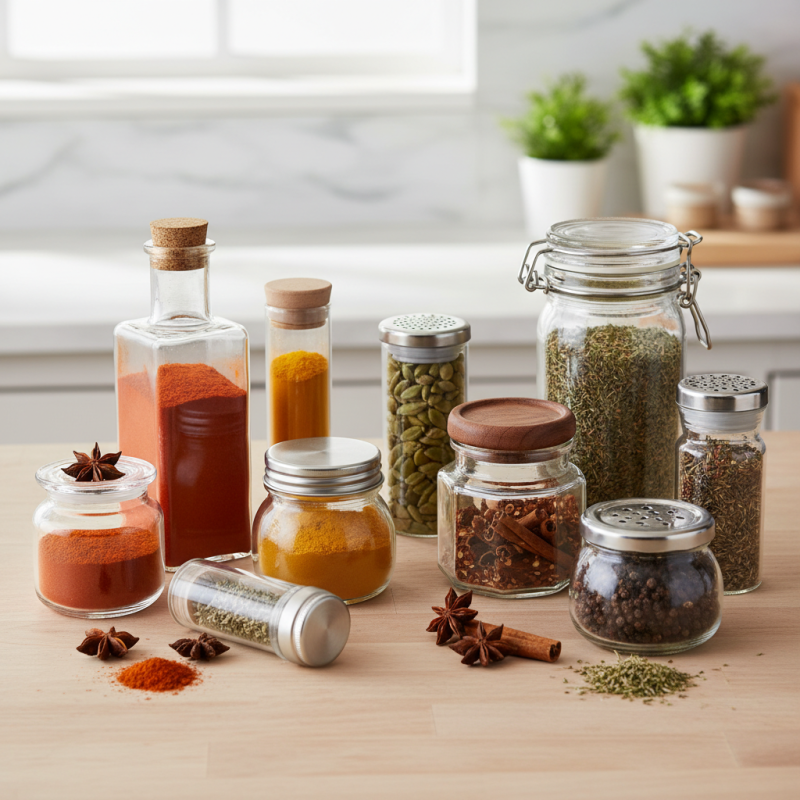
When searching for the perfect glass spice jar, global buyers have numerous options. Spice jars not only serve a practical purpose but also enhance kitchen aesthetics. Clear glass allows easy visibility of contents, encouraging creativity in cooking. Many jars come with airtight lids, preserving freshness.
Consider the size and shape when selecting jars. Taller jars may hold more spices, but shorter, wide jars often offer easier access. Aesthetic appeal is equally important. Some options feature decorative designs, while others maintain a minimalist look. It’s essential to find a balance between style and function.
A reflective moment might uncover some downsides. Glass jars are breakable, which may not suit every kitchen environment. Additionally, quality can vary among manufacturers. Buyers must consider their needs carefully to avoid potential dissatisfaction. So, evaluate your kitchen layout and personal preferences before making a final decision.
When choosing glass spice jars, material quality plays a crucial role. High-quality glass not only offers durability but also preserves the spices' integrity. Poorly made jars can lead to cracks or even breakage. This can jeopardize the freshness of the spices stored within. Clear glass also allows for easy visibility, making it possible to check the contents quickly.
The thickness of the glass matters too. Thicker glass offers better insulation against light and heat, both of which can degrade spices. Some jars might look appealing but fail in performance. Manufacturers may cut corners, producing jars that don’t hold up over time. It’s essential to prioritize jars that maintain their shape and seal well against air and moisture.
Furthermore, the seal of the jar is often overlooked. A high-quality lid can make a significant difference in freshness. Jars with poor sealing may allow air to enter, causing spices to lose their flavor. Always consider how well a jar preserves aroma and taste. Evaluating these details can elevate the storage experience, ensuring spices remain vibrant and ready for culinary adventures.
The market for spice jars has seen a significant shift toward eco-friendly and aesthetically pleasing designs. According to a recent market report, the demand for sustainable packaging solutions in the food sector is projected to grow by 25% over the next five years. This increase reflects a global awareness of environmental issues and a push for plastic alternatives. Glass spice jars made from recycled materials or natural resources are gaining popularity. Consumers prefer products that align with their values, such as sustainability and minimal environmental impact.
The aesthetic aspect of spice jars cannot be overlooked. In urban kitchens, design elements are key. A report from the Kitchenware Association highlights that 70% of consumers consider the appearance of kitchenware essential when making a purchase. Stylish glass containers not only help in organizing spices but also enhance kitchen décor. However, the challenge lies in balancing form and function. While designers strive for beautiful shapes, functionality must not be compromised. Poorly designed lids, for example, can lead to spills and waste, prompting buyers to rethink their choices.
Overall, glass spice jar designs are evolving to meet consumer demands for both sustainability and style. Yet, maintaining a focus on practicality remains crucial. Brands need to innovate while considering both aesthetics and user experience, ensuring that the designs cater to real-life kitchen challenges.
When exploring glass spice jar options globally, prices can vary significantly. In markets across Europe, prices may range from $5 to $20 per jar. This variation often reflects the quality of materials and design. For instance, jars with airtight seals tend to fetch higher prices. A well-sealed jar can preserve spice freshness longer, making it a valuable investment.
In contrast, price points in Asia can be quite different. Many affordable options exist, with prices often starting below $3. However, it's essential to assess the quality. Cheaper jars may not offer the same durability. There’s a risk of shattering or poor seals. In markets like North America, mid-range jars generally offer a balance between cost and reliability.
Buyers should also note regional preferences. Some cultures prioritize smaller, decorative jars for presentation. Others focus solely on function and durability. This interplay of factors makes pricing analysis complex. Awareness of local trends can guide purchasing decisions effectively.
When discussing consumer preferences for glass spice jars, several trends emerge. Research shows that many buyers prioritize eco-friendliness over plastic options. Glass jars are reusable and recyclable, making them a favored choice among environmentally conscious consumers. Many opt for jars that allow visibility of spices, enhancing aesthetic appeal in kitchens. Clear glass enables users to see contents easily, which aids in spice selection.
Usage statistics indicate that a significant number of people prefer jars with airtight seals. This feature ensures spices remain fresh longer. However, some users have reported frustrations with lids that don't fit well, leading to spills. It's essential to balance design with functionality. Buyers often seek jars that are easy to clean and maintain, yet some find intricate designs challenging to wash.
Another notable preference is the size of the jars. Many find that larger jars align better with bulk purchasing preferences. Yet, some consumers feel overwhelmed by the quantity, leading to waste. The desire for variety is evident. Spice enthusiasts enjoy having different jar sizes for different spices. Still, this can complicate storage. The ongoing dialogue around these jars reflects a blend of practicality and aesthetics in consumer behavior.
This chart represents the various factors influencing consumer preferences for glass spice jars. Each factor is scored out of 100 based on user surveys, reflecting the importance of capacity, material quality, seal quality, design variety, and price range in their purchasing decisions.
: Look for size, shape, and airtight lids. Aesthetic appeal also matters.
Clear glass allows easy visibility of contents, boosting creativity in cooking.
Yes, glass jars are breakable and may not suit every kitchen.
Evaluate needs carefully and assess kitchen layout before purchase.
Trends include eco-friendly materials and stylish designs that enhance decor.
A report shows 70% of consumers prioritize appearance when buying kitchenware.
Yes, poorly designed lids can lead to spills, emphasizing the need for practicality.
The demand for eco-friendly solutions is projected to grow by 25% in five years.
It's crucial; beautiful designs must not sacrifice usability for aesthetics.
Consider both personal style preferences and practical kitchen challenges.
The article "Top 10 Glass Spice Jar Options for Global Buyers" provides an insightful overview of the various choices available in the market for glass spice jars. It emphasizes the importance of material quality in ensuring optimal preservation of spices, highlighting how high-quality glass jars can help maintain flavor and freshness.
Additionally, the article discusses current market trends, focusing on the growing demand for eco-friendly and aesthetically pleasing designs that cater to consumer preferences. A comparative analysis of price variations across global markets is also presented, along with usage statistics that reveal consumer behavior regarding glass spice jars. Overall, this comprehensive guide serves as a valuable resource for buyers seeking the best glass spice jar options to fit their needs and preferences.

Hengsheng