When searching for the perfect glass cups, many factors come into play. From design to functionality, these cups serve various needs. Glass cups are versatile options for any beverage, offering a refreshing aesthetic that enhances the drinking experience.
The market is flooded with choices. Each option has unique features. Some glass cups are double-walled for insulation. Others boast elegant designs that can serve as stunning table decor. The sheer variety can be overwhelming, prompting buyers to reflect on what truly matters in their selection.
Quality is paramount when selecting glass cups. Consumers often encounter brands that promise durability but fail to deliver. Researching materials and manufacturing processes can help buyers make informed choices. Exploring trusted reviews can guide potential buyers toward reliable options. While the variety is exciting, it’s important to prioritize practical needs above trends.
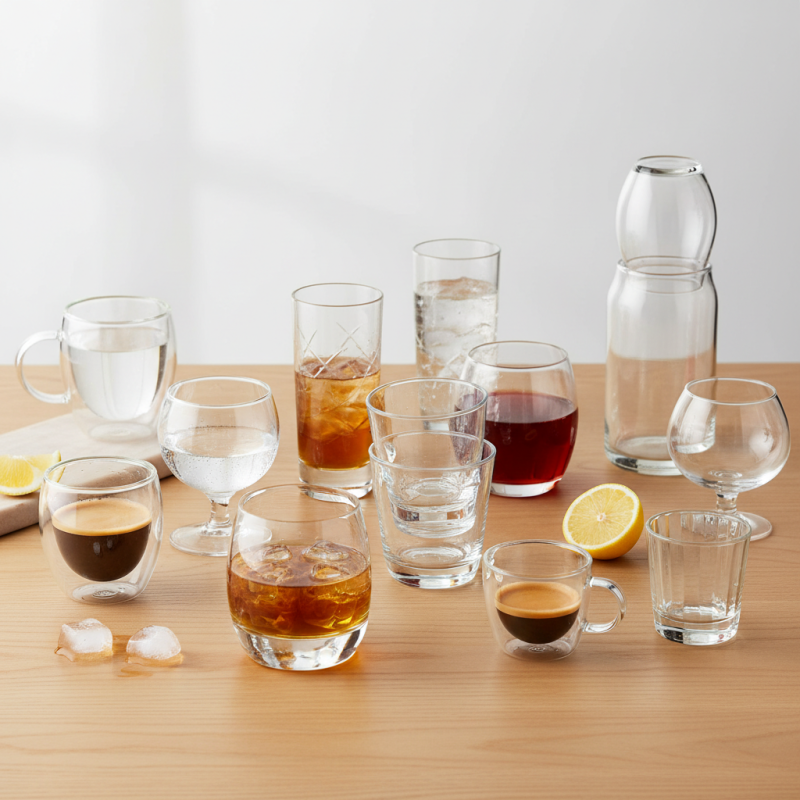
When exploring glass cups, one must consider the variety of designs and materials available. The global glassware market is projected to reach $79.95 billion by 2027, indicating robust demand for diverse types of glass products. Among these, borosilicate glass cups are known for their durability and resistance to thermal shock. This makes them suitable for both hot and cold beverages, appealing to a wide range of consumers.
Another popular type is soda-lime glass, which is commonly used due to its affordability. It’s versatile and can be molded into various shapes, including elegant designs that enhance the dining experience. However, soda-lime glass is not as strong as borosilicate. Consumers should weigh these factors when making choices.
Additionally, innovative designs such as double-walled glass cups are gaining traction. These cups maintain the temperature of beverages while keeping the outer surface cool. A study from the Beverage Industry shows that 62% of buyers prefer functional designs that also offer aesthetic appeal. However, flaws in some designs may affect usability, raising concerns about safety and practicality in everyday use.
When selecting glass cups, several factors influence the decision-making process. The type of glass is critical. Borosilicate glass is known for its durability and ability to withstand extreme temperatures. According to industry reports, borosilicate glass has a thermal shock resistance of over 100 degrees Celsius. This makes it ideal for diverse beverages.
Design plays a significant role too. Aesthetic appeal can enhance the drinking experience. Reports indicate that consumers are increasingly drawn to unique designs. Glass cups with ergonomic handles or artistic shapes can influence purchasing decisions. Comfort in handling should not be overlooked. A well-designed cup should feel good in hand, adding to its usability.
Finally, the weight of the glass cup is crucial. Heavier cups often signal quality but may also be less practical for daily use. According to surveys, users prefer cups weighing between 200-300 grams for optimal balance. This balance affects the perceived strength and function of the glass. Choosing glass cups involves finding a middle ground between aesthetics, functionality, and comfort. It's essential to reflect on personal preferences and usage scenarios.
When considering glass cups, quality and design are paramount. It's essential to select cups that enhance your drinking experience. Look for heat-resistant options if you enjoy hot beverages. Some cups feature double-walled construction, offering better insulation. These cups keep beverages hot while ensuring the outer surface remains cool to the touch.
Many modern glass cups come with unique designs. You might find etched patterns or colored glass that adds flair to your kitchen. However, aesthetic appeal shouldn't compromise functionality. Ensure the cup is easy to hold and fits comfortably in your hand. This consideration can greatly impact your enjoyment of drinks.
Tips: Prioritize durability when selecting glass cups. Thin glass might look elegant but can break easily. Additionally, think about maintenance; dishwasher-safe options save time. Lastly, consider the size and shape depending on your typical beverage choices, whether tea, coffee, or cold drinks. Selecting the right cup can make every sip special.
When considering glass cups, the price can often reflect quality. High-end glass cups may range from $20 to $100 each. These cups often feature intricate designs or are made using advanced techniques. They can be more durable and resistant to temperature changes. Buyers should consider how often they will use these items.
Mid-range options generally cost between $10 and $20. These are versatile and often stylish enough for everyday use. However, some might feel less sturdy after a few washes. It's essential to balance aesthetics with utility. Checking customer reviews can provide insight into the durability of these cups.
Budget-friendly glass cups are available for under $10. They may be functional but can lack in design or quality. Users could experience chipping or staining over time. Reflecting on the trade-offs is key. Investing in quality might pay off in the long run.
Proper care and maintenance of glass cups are essential for their longevity. To avoid cracks and scratches, always wash your glass cups by hand. Use a soft sponge and mild dish soap for cleaning. Harsh scrubbers can cause damage. Rinse thoroughly with lukewarm water. This simple practice extends the life of your glassware.
Storing glass cups can also impact their durability. Ensure they are placed upright in a secure cabinet. Crowded spaces can lead to chipping or breaking. Consider using shelf liners to prevent slipping. If stacking, use a tissue or cloth between cups. This extra step may seem trivial, but it protects delicate surfaces from scratches.
Occasionally, inspect your glass cups for any signs of wear. Tiny cracks can weaken the structure. If you notice any damage, consider replacing the cup. Regular maintenance may feel tedious, but it is worth it. Proper care not only enhances the beauty of your glass cups but also preserves their functionality.
: Glass cups can range from under $10 to $100. Higher-priced cups often offer better designs and durability.
They use advanced techniques and intricate designs. They are generally more durable and temperature-resistant.
They usually cost between $10 and $20. They are stylish but may feel less sturdy after regular use.
Always wash by hand with a soft sponge. Avoid harsh scrubbers to prevent scratches and damage.
Place them upright in a secure cabinet. Avoid overcrowding to minimize the risk of chipping or breaking.
Inspect your cups regularly. If you find damage, consider replacing the cup to ensure safety and functionality.
They can be functional but may lack in design and quality. Users might face issues like chipping or staining over time.
Regular maintenance is crucial. Simple care practices can significantly extend their life and maintain their beauty.
Balancing aesthetics with practicality is important. Choose what suits your lifestyle and reflects your needs.
In the article "Top 10 Glass Cups for Global Buyers to Consider," various types of Glass Cups are explored, highlighting their diverse designs and materials. The piece emphasizes the importance of understanding the different styles available, from elegant stemmed options to modern tumblers, catering to a wide range of consumer preferences. Additionally, factors such as size, thickness, and heat resistance are discussed to help buyers make informed choices based on their specific needs.
The article provides detailed reviews and features of the top 10 Glass Cups, showcasing their unique attributes. Furthermore, it addresses the pricing range to give readers a clear idea of what to expect when investing in quality glassware. Finally, care and maintenance tips are shared to ensure the longevity of Glass Cups, allowing users to enjoy their selections for years to come.

Hengsheng