Choosing the right glass bottles is essential for various applications, from beverages to cosmetics. The global glass bottle market is expected to reach $68 billion by 2025, showcasing its growing importance. As consumers prioritize sustainability, glass bottles emerge as a preferred choice. According to industry expert Dr. Emily Sanchez, “Glass bottles not only enhance product integrity but also align with eco-friendly practices.”
When selecting glass bottles, consider several factors. Size, shape, and closure type are crucial. Different products require specific designs to maintain freshness and appeal. For instance, a narrow neck bottle is ideal for oils, while wide-mouth bottles suit dry goods. Additionally, the weight of the glass can affect shipping costs and customer convenience.
Despite the benefits, many overlook quality. Poorly made glass bottles can lead to breakage or leakage, risking your product’s reputation. Research indicates that 15% of businesses face losses due to packaging failures. Therefore, investing in high-quality glass bottles is vital. Remember, it's not just about aesthetics; it's about functionality and customer satisfaction.
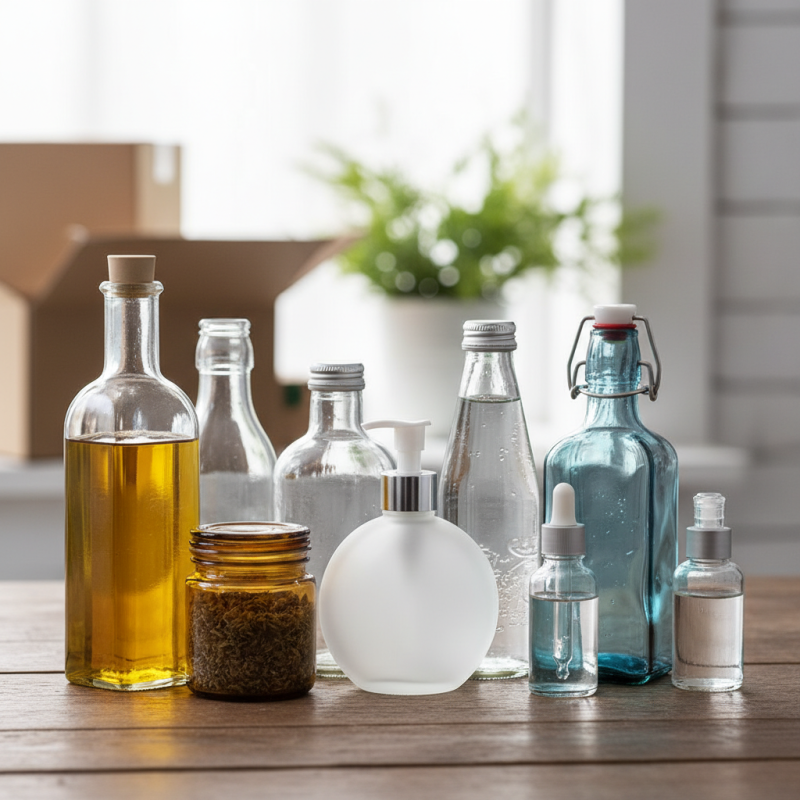
Understanding Your Needs: Define the Purpose of the Glass Bottles
Choosing the right glass bottles begins with understanding your specific needs. Are you using them for storage, serving, or as a sustainable option? Each purpose dictates different requirements. For instance, a report by the Glass Packaging Institute shows that consumers are increasingly opting for glass due to its eco-friendliness, reducing plastic waste.
Consider the capacity of the bottles. Will you need smaller sizes, such as 250ml, or larger ones, like 1 liter? The dimensions affect storage space and usability. Some users prefer narrow necks while others like wide mouths for easy access. It's valid to feel overwhelmed by choices. Focus on what you prioritize—reusability, design, or weight.
**Tip:** Always check if the glass bottles are dishwasher safe. This can save time and effort on cleaning.
Additionally, check for airtight seals if storing liquids. This can prevent spills and extend shelf life. It's essential to acknowledge that some bottles may chip or break easily. Consider how you plan to use them. Are they destined for on-the-go, or are they for home use only? If you travel a lot, durability becomes crucial.
**Tip:** Look for bottles that come with protective sleeves. They can help handle accidental drops.
How to Choose the Best Glass Bottles for Your Needs?
Choosing the Right Size: Factors to Consider for Capacity and Portability
Choosing the right glass bottle involves understanding size and capacity. Consider what you will use it for. Will you carry it daily, or keep it at home? Each use requires different sizes.
A smaller bottle of around 250-500ml is perfect for on-the-go. It fits easily in a bag. However, it may need frequent refills. Yet, a larger bottle, over 1 liter, offers more hydration. But it can be heavy and cumbersome.
Tips: If portability is key, opt for lightweight glass. Look for designs with a handle. Also, consider the thickness of the glass. Thicker glass is more durable but heavier. Explore different shapes too. Some may fit your car's cup holder better.
When choosing, reflect on your routine. Do you forget to drink enough water? A larger bottle may serve as a reminder. Does your lifestyle involve hiking or traveling? A smaller, more portable bottle could be your best choice.
Evaluating Glass Types: Soda Lime vs. Borosilicate Glass Bottles
When choosing glass bottles, understanding the differences between soda lime and borosilicate glass is crucial. Soda lime glass is common and inexpensive, often used in everyday containers. However, it has limitations. It cannot withstand extreme temperatures, making it unsuitable for hot liquids. A report from the Glass Packaging Institute indicates that about 70% of glass containers use soda lime. It’s widely accessible but often fails in high-performance environments.
On the other hand, borosilicate glass offers superior thermal resistance. This type of glass can endure drastic temperature changes without breaking. It is the preferred choice in labs for chemical experiments. According to industry studies, borosilicate glass can withstand temperatures up to 500°F. Although more expensive, its durability is essential in specialized fields.
Yet, borosilicate glass is not without flaws. It can be heavier and more fragile than soda lime glass. Users may struggle with durability if not handled properly. Balancing cost with function is vital. Buyers should weigh their specific needs before purchasing, reflecting on how the glass type suits their intended use.
Inspecting Design Features: Caps, Mouth Openings, and Ease of Cleaning
Choosing the right glass bottle is not just about aesthetics. Caps, mouth openings, and cleaning ease are crucial factors. A well-designed cap ensures a tight seal. It prevents spills and keeps your beverages fresh. Look for caps that are easy to grip. They should be simple to open yet secure.
Mouth openings can vary greatly. A wide mouth allows for easier filling and cleaning. It also accommodates ice cubes conveniently. However, a narrow opening helps control pouring. Sometimes, the choice can depend on what you intend to store. If you'll be using it for smoothies, perhaps a wider option is best.
Cleaning is often overlooked. Bottles with complicated designs can be tough to clean. Smooth surfaces are easier to maintain. Consider how often you will clean the bottle. A bottle that collects grime is not ideal. Also, look for dishwasher-safe options if you prefer convenience.
Tips:
Choose a bottle with a cap that fits your lifestyle.
Opt for a mouth opening that matches your usage.
Always prioritize ease of cleaning when making your choice.
Determining Safety and Durability: Assessing Resistance to Breakage and Chemicals
When choosing glass bottles, assessing their resistance to breakage is crucial. Research shows that tempered glass can withstand more impact than standard glass. According to industry data, tempered glass is up to five times stronger. This makes it an excellent choice for everyday use, especially in active environments. Small children and pets can inadvertently cause accidents. Selecting durable bottles helps prevent injuries and reduces waste.
Chemical resistance is another important factor. Bottles made from borosilicate glass excel in this area. They can handle extreme temperature changes and exposure to various substances. This type of glass does not react with most acids and bases. A study conducted by a packaging research organization indicates that nearly 70% of users prefer chemically stable containers for food and beverages. It’s vital to consider how often you will use the bottles and the liquids you'll store. Not all glasses can handle all materials.
Some users discover that their chosen glass bottles break under everyday conditions. This can lead to frustration and potential harm. Analyzing your specific needs can reveal gaps in your choices. Finding the right balance of safety and durability is vital. Careful consideration of materials will guide you. It may take time to identify the best option for your lifestyle.
How to Choose the Best Glass Bottles for Your Needs? - Determining Safety and Durability: Assessing Resistance to Breakage and Chemicals
| Bottle Type |
Material |
Breakage Resistance |
Chemical Resistance |
Weight (g) |
Capacity (ml) |
| Standard Glass Bottle |
Soda Lime Glass |
Medium |
Low |
300 |
500 |
| Tempered Glass Bottle |
Borosilicate Glass |
High |
High |
250 |
1000 |
| Colored Glass Bottle |
Soda Lime Glass |
Medium |
Medium |
350 |
750 |
| Medical Grade Glass Bottle |
Borosilicate Glass |
Very High |
Very High |
200 |
500 |
| Reusable Water Bottle |
Soda Lime Glass |
Medium |
Medium |
320 |
600 |
Conclusion
Choosing the best glass bottles for your needs requires a thorough understanding of your specific purposes. Whether for storage, beverages, or other applications, defining the intended use is essential. You should also consider the right size, taking into account factors such as capacity and portability. Different glass types, like soda lime and borosilicate, offer various benefits and drawbacks, making it important to evaluate which type suits your requirements best.
Design features play a crucial role in usability, so inspecting aspects like caps, mouth openings, and ease of cleaning can enhance the overall experience. Lastly, safety and durability are paramount; assessing a bottle’s resistance to breakage and chemicals is vital to ensure long-lasting performance. By considering these factors, you can confidently select the glass bottles that will best meet your needs.

 Hengsheng