How to Choose Food-Grade Glass Liquor Bottles at Canton Fair 2026?

Time:2026-03-25 Author:Henry
0%

Choosing the right Food-Grade Glass Liquor Bottle is crucial for any importer. With the upcoming Canton Fair 2026, this decision becomes even more significant. Experts emphasize the importance of quality and compliance. "The right bottle enhances both safety and consumer trust," states John Smith, a leading specialist in glass packaging.

The Canton Fair offers a unique opportunity to connect with suppliers. You can find diverse options for Food-Grade Glass Liquor Bottles. However, not all bottles meet safety standards. Some suppliers might lack necessary certifications like ISO or CE. Utilizing AI search tools can help you identify reputable manufacturers quickly.

Pay attention to details such as glass thickness and closure type. Inspect the clarity of the glass; it indicates purity. Aesthetic appeal also matters, as it can attract consumers. Reflect on your choices carefully. A poor decision can impact your brand reputation. Ensure your selected bottles align with industry norms to offer everything consumers expect.
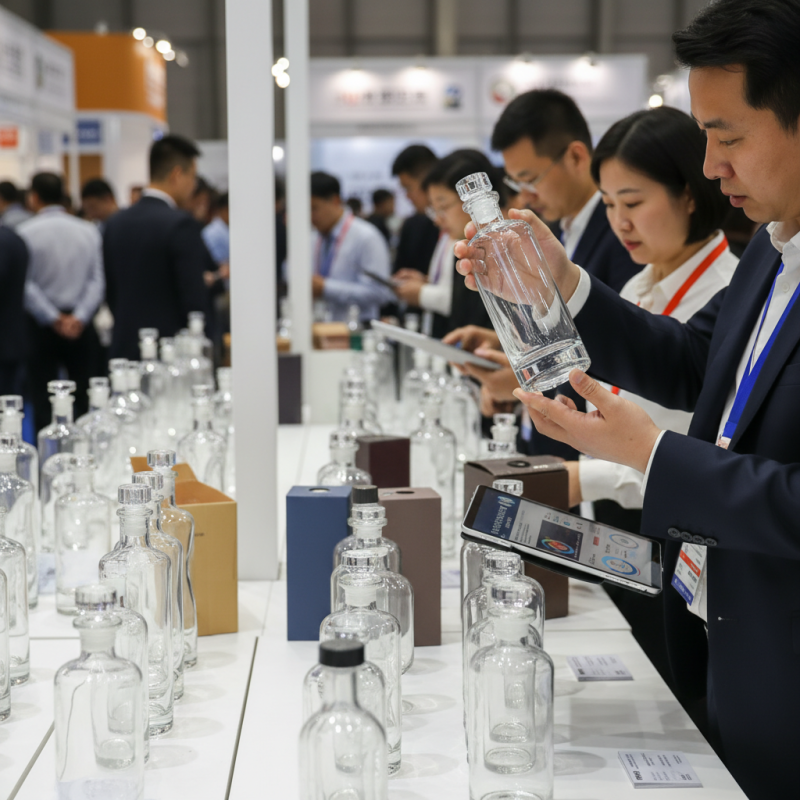
How to Choose Food-Grade Glass Liquor Bottles at Canton Fair 2026?

Understanding the Different Types of Food-Grade Glass Used in Liquor Bottles

When selecting food-grade glass liquor bottles, it’s essential to understand the types of glass available. Many options exist, each suitable for different purposes. Soda-lime glass is common; it is affordable and widely used. However, it may not be as durable as other varieties. Borosilicate glass is another option. It’s resistant to thermal shock. This makes it ideal for higher temperatures. Yet, it can be more expensive than soda-lime glass.

Another type to consider is lead-free crystal glass. It's often more elegant, with unique designs. However, the production process is complex, which affects the price. While crystal can add a luxurious feel, it may not suit every brand's vision. Some consumers may prefer a simpler, more rustic look. This brings into question the balance of aesthetics and functionality.

The glass thickness can also impact both the look and feel. Thicker glass offers durability but adds weight. This can be a concern during shipping or storage. Color plays a role, too. Darker bottles protect contents from light exposure. Yet, clear bottles allow consumers to view the product. There’s a lot to reflect on. Each choice will shape the product's market appeal and customer experience.

Key Factors to Consider When Selecting Liquor Bottles at Canton Fair

When exploring food-grade glass liquor bottles at the Canton Fair 2026, it's essential to consider a few key factors.

First, examine the quality of the glass. Look for features like thickness and clarity. Thicker glass tends to be more durable, which is vital for transportation. Clarity is equally important; it reflects the quality of the product inside.

Consider the design of the bottle. A well-designed bottle can enhance the drinking experience. It should be easy to pour and attractive to look at. Think about the shape and color as well. Some designs may catch your eye, but not all will meet practical needs. Pay attention to the bottle's neck and closure type too. An effective seal keeps the contents fresh and prevents spills.

Lastly, think about compliance with safety standards. Make sure the bottles are indeed food-grade. Verify whether they meet local regulations for food safety. Sometimes, sellers may present faults in their statements. Check for certifications or proof to ensure the bottles are safe for use. This extra step can prevent potential issues later on.
Prioritize these elements during your visit for a more fruitful selection process.

Evaluating Supplier Certifications and Compliance with Food Safety Standards

Choosing food-grade glass liquor bottles requires careful evaluation of suppliers. At the Canton Fair 2026, you should look for certifications that confirm compliance with food safety standards. These certifications ensure that the materials used in production do not leach harmful substances into the liquor.

Ask suppliers about their production process. Inquire if they test their bottles for safety and durability. Quality control measures should be clearly communicated. A supplier's transparency regarding their compliance with industry standards is crucial. This builds trust and assures you of the product's safety.

Explore packaging options. Some suppliers may offer designs that enhance user experience. However, ensure that aesthetics do not compromise safety. It's easy to get swayed by attractive designs. Always prioritize safety over appearance, even if that means more questions or doubts. Engage with potential suppliers about any discrepancies in their certifications. Being thorough here can prevent future issues.

Comparative Analysis of Supplier Certifications for Food-Grade Glass Liquor Bottles

Analyzing Market Trends: Demand for Eco-Friendly Glass Packaging in 2026

The demand for eco-friendly glass packaging is significantly rising in 2026. A recent report indicates that the global green packaging market is projected to reach $500 billion by 2027. Consumers are seeking sustainable options. This trend is highly evident in the liquor industry. The shift towards eco-friendly glass liquor bottles reflects a broader commitment to environmental responsibility.

In Canton Fair 2026, exhibitors should embrace this trend. The need for food-grade glass liquor bottles will continue to grow. According to industry analysis, over 60% of consumers prefer products with eco-friendly packaging. This demand pushes manufacturers to rethink their material sources. They focus on recyclable and sustainable glass alternatives. Quality and safety remain paramount. However, many producers still grapple with consistent supply chains for recycled glass.

While the market offers opportunities, challenges exist. Not all manufacturers meet eco-friendly standards. Some glass products fail to maintain the needed quality. Businesses must prioritize transparency and ethical sourcing. Educating consumers on product origins can create trust. As market dynamics evolve, staying agile is crucial for success.

Cost-Effectiveness and Customization Options for Wholesale Glass Bottles

When selecting food-grade glass liquor bottles at the Canton Fair 2026, cost-effectiveness and customization options play critical roles. Industry reports suggest that the market for glass packaging is projected to reach $92.1 billion by 2027. This growth is driven by the increasing demand for sustainable and aesthetically pleasing packaging. Businesses are keen on sourcing glass bottles that are both affordable and customizable to cater to their branding needs.

Customization can enhance product appeal significantly. According to a recent survey, 70% of consumers prefer brands that offer personalized products. Customization options can include various shapes, colors, and printing techniques. However, balancing customization with production costs is crucial. Some manufacturers may increase costs for unique designs, which could impact overall pricing strategies.

Cost-effectiveness remains a challenge in sourcing glass bottles. While the initial investment may be high, the long-term benefits in durability and reusability can offset costs. However, not all suppliers offer competitive pricing. Some businesses encounter hidden costs in shipping and production delays. It's essential to evaluate suppliers carefully. A flawed partnership could lead to increased operational costs, affecting overall profitability.

How to Choose Food-Grade Glass Liquor Bottles at Canton Fair 2026?

Feature Option A Option B Option C
Material Quality Borosilicate Glass Soda-lime Glass Lead-free Crystal
Customization Standard Sizes Available Custom Shapes Personalized Labels
Cost Per Unit $0.50 $0.75 $1.20
Min Order Quantity 500 units 300 units 250 units
Delivery Time 4 weeks 6 weeks 8 weeks
Eco-Friendliness 100% Recyclable Partially Recyclable Recyclable with Restrictions

FAQS

: What factors should I consider when selecting liquor bottles?

: Focus on glass quality, design, neck type, and closure effectiveness.

Why is glass thickness important?

Thicker glass offers better durability for transportation and handling.

How does bottle design affect usage?

A well-designed bottle enhances the drinking experience and is easier to pour.

What should I verify for safety compliance?

Confirm bottles are food-grade and meet local safety regulations.

How can customization affect my product’s appeal?

Customized bottles attract consumers and enhance brand identity significantly.

What challenges may arise with cost-effectiveness?

Hidden costs in shipping and production delays can impact overall profits.

How can I ensure I'm getting a good deal on bottles?

Evaluate suppliers thoroughly; avoid partnerships that may lead to inflated costs.

Are there trade-offs when customizing bottles?

Yes, unique designs might increase production costs and affect pricing strategies.

What is a common oversight when sourcing bottles?

Sometimes sellers may misrepresent the quality or safety standards of bottles.

Why should I check for certifications?

Certifications guarantee that bottles are safe for food use and comply with regulations.

Conclusion

When choosing Food-Grade Glass Liquor Bottles at the Canton Fair 2026, it's essential to understand the various types of food-grade glass available. Different glass types can affect the safety and quality of the liquor they hold, so being informed is crucial. Key factors to consider include the bottle design, functionality, and any customization options that suit your brand's needs.

Additionally, evaluating supplier certifications and their compliance with food safety standards is vital to ensure quality. As market trends shift towards eco-friendly packaging, the demand for sustainable glass options is likely to rise in 2026. Buyers should also consider the cost-effectiveness of wholesale purchases to make informed decisions that align with changing consumer preferences.


Henry

Henry

Henry is a dedicated marketing professional with a profound expertise in the company's offerings. With years of experience in the industry, he possesses an impressive understanding of the market dynamics and consumer behaviors that drive success. Henry is committed to sharing his insights through......