Choosing the 2026 best Glass Soda Container requires more than comparing shape, color, and price. Global buyers must examine safety, carbon impact, transport strength, and recycling access. The container should feel solid in the hand, yet remain efficient on a crowded pallet.
Recent industry reports indicate steady growth in the global glass packaging market. Grand View Research estimates that the market could expand at a compound annual growth rate of approximately 4% through the early 2030s. Mordor Intelligence also identifies beverage packaging as a major demand segment, supported by premium soft drinks, craft beverages, and refillable systems. These figures are useful, but not perfect. Regional definitions and reporting methods differ.
Michel Giannuzzi, former president of the European Container Glass Federation, described glass as “a permanent material” because it can be recycled repeatedly without losing its basic quality. That principle matters for soda buyers seeking long-term packaging value. However, recyclability alone does not guarantee sustainability. A bottle made far from the filling plant may create unnecessary transport emissions. A lightweight design may reduce material use, but it can also require stronger production controls.
The strongest 2026 option should balance recycled content, pressure resistance, closure compatibility, and reliable supply. Buyers should request test data, food-contact documentation, pallet specifications, and lifecycle information. Small details matter. A chipped neck can stop an entire production line.
The final choice may not be the lightest or cheapest bottle. It should be the most suitable bottle for its market, route, equipment, and recovery system. That practical distinction is often overlooked.
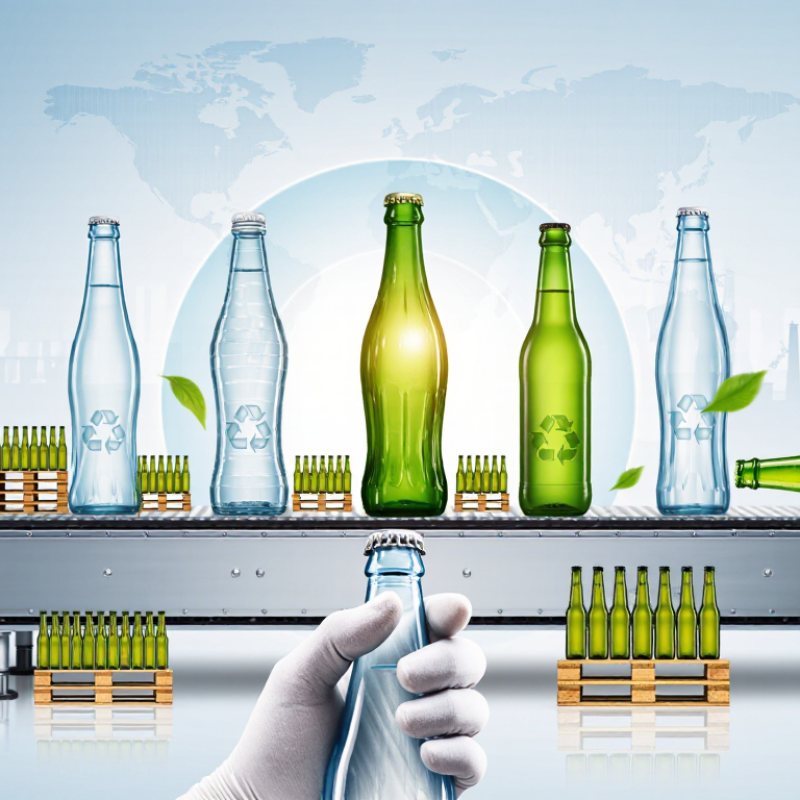
2026 Best Glass Soda Container for Global Buyers?
What Is a Glass Soda Container?
A glass soda container is a rigid, food-contact vessel made to hold carbonated soft drinks safely. It usually uses soda-lime glass, a material valued for clarity, chemical stability, and strong flavor protection. Unlike plastic packaging, glass does not easily absorb aromas from cola, citrus, or other sweetened beverages.
Its shape includes a pressure-resistant body, a narrow neck, and a closure finish for caps or other approved seals. The base must remain stable during filling, storage, and transport. Pressure matters. Carbonation creates internal force, especially when the container warms during delivery.
In practical purchasing work, I check the bottle mouth, thread area, body seams, and base for chips or uneven glass. Small defects can become serious during high-speed filling. Suppliers should provide wall-thickness data, pressure-test records, food-contact documentation, and batch traceability. Requirements may differ between markets, so one certificate should not be treated as universal approval.
Glass can be reused or recycled, but its environmental value depends on collection systems, transport distance, and processing capacity. I would not describe every glass soda container as automatically sustainable. That claim needs evidence. A heavier bottle may feel premium, yet it can increase shipping emissions and handling costs. Buyers should compare capacity, closure compatibility, pallet design, breakage rates, and regional compliance before choosing a container. A perfect specification on paper can still fail in a hot warehouse.
Soda bottles are usually made from soda-lime glass, the industry’s practical workhorse. It contains silica, soda ash, and limestone, then forms under high-temperature melting. Clear flint glass shows color and carbonation clearly. It suits transparent fruit sodas and premium-looking drinks. However, it offers limited protection from light.
Amber soda-lime glass blocks more light and can help protect sensitive flavors. Green glass filters some light, but its shade may vary with recycled content. For returnable bottles, manufacturers use thicker walls and stronger designs. These bottles tolerate repeated washing, filling, and pressure cycles. One-way bottles are lighter, reducing transport weight but requiring careful impact testing. Borosilicate glass is chemically stable, yet its higher cost makes it uncommon for everyday soda packaging.
FEVE industry data reports that Europe collects roughly four in five glass containers for recycling. The U.S. Environmental Protection Agency’s latest municipal-waste tables place glass-container recycling near one quarter by weight. These figures expose a practical issue: recyclability depends on collection systems, not glass alone. Recycled cullet can lower furnace energy demand, but inconsistent color sorting may limit the usable percentage. A buyer should check pressure ratings, thermal-shock tests, wall thickness, and local cullet supply before choosing a bottle. Appearance can mislead. A beautiful clear bottle may perform poorly under strong warehouse lighting.
For global buyers in 2026, size is more than shelf appearance. A 250 ml bottle suits single servings and lighter shipping. A 330 ml format feels familiar, but needs stronger carton spacing. Larger 500 ml units reduce packaging per liter, yet increase handling weight. Measure filled height, diameter, neck finish, and empty-bottle weight. Confirm the glass pressure rating for carbonated filling. Fit matters. I still see buyers compare volume only. That mistake can disrupt pallets and vending slots.
Shape affects grip, cooling speed, labeling, and breakage risk. Cylindrical bottles usually pack efficiently and tolerate pressure evenly. Short, wide bodies feel stable, while narrow profiles save shelf depth. Embossed details look attractive, but they complicate labels and cleaning checks. Inspect the shoulder transition and base ring carefully. Sharp contours may create stress points. A small sample test is more useful than a polished drawing. Test filled bottles after chilling, vibration, and repeated handling.
Closure choice should match carbonation, filling equipment, opening habits, and transport conditions. Crown closures can provide a firm seal, while screw closures support easy resealing. Swing closures add visual appeal but require careful gasket inspection. Check torque, liner compatibility, and tamper evidence with the actual beverage. Ask for dimensional drawings and food-contact documentation from the manufacturer. Requirements differ by destination. Do not assume one closure fits every market. I would also test leakage upside down for 24 hours. It is simple, slightly old-fashioned, and revealing. A closure that looks premium may still perform poorly on an uneven filling line.
Nominal capacity is one of the most practical ways to compare glass soda containers. Compact 200–250 mL formats suit controlled portions, 330 mL is a common single-serve size, 500 mL supports larger individual servings, and 750 mL is more suitable for table or sharing occasions.
Round bottles are widely used because they are easy to manufacture, label, and handle. Crown caps are common for carbonated beverages, while screw caps support resealing. Swing-top closures can provide a premium reusable experience but usually require more complex filling and handling processes.
Data basis: common nominal glass beverage container capacities and commonly used closure formats. Actual bottle dimensions, neck finishes, pressure ratings, and closure compatibility should be confirmed with the selected packaging supplier and target-market regulations.
For global buyers, a glass soda container should pass more than a visual inspection. Ask for evidence. Request food-contact compliance documents for every component, including the glass, coating, cap, liner, and ink. Testing should address chemical migration, heavy metals, and odor transfer under acidic and carbonated conditions. A reliable supplier should also provide batch traceability, factory quality records, and independent laboratory reports.
Pressure resistance deserves close attention. Carbonated drinks can create internal pressure during transport, especially in hot containers. Check burst-pressure data, thermal-shock testing, impact resistance, and closure compatibility. A bottle that survives filling may still fail after repeated warehouse handling. Glass still breaks. Packaging teams should review pallet design, protective separators, and drop-test results rather than trusting attractive samples.
Sustainability claims need measurable proof. Examine recycled-glass content, furnace energy use, water consumption, and transport weight. Ask whether recycling data is verified and whether the container design supports efficient collection in target markets. A lighter bottle may reduce emissions, but it can become less durable if testing is weak. That trade-off deserves honest review. I would not accept a generic “eco-friendly” statement without dated records or third-party verification. Suppliers should explain their environmental calculations, system boundaries, and improvement targets. Small documentation gaps can reveal larger control problems. Also check whether labels, adhesives, and closures interfere with recycling processes. Reliable purchasing decisions come from repeatable tests, clear records, and realistic claims—not attractive sustainability language.
For global buyers, selecting a glass soda container supplier starts with evidence, not attractive photos. Ask for the factory address, production capacity, ownership details, and recent quality records. A dependable supplier should explain glass composition, bottle weight, neck finish, and pressure performance clearly. Request food-contact declarations for each target market. Requirements differ across regions, so one certificate may not cover every shipment. Check whether testing comes from a qualified, independent laboratory. This step can feel slow. It prevents expensive surprises.
Practical experience matters during sampling. Send the supplier your filling-line speed, closure type, carbonation level, and pallet plan. Ask for samples from normal production, not specially polished pieces. Inspect seams, chips, scratches, base stability, and color consistency under warehouse lighting. Run a small filling trial before approving a large order. Record breakage rates and inspection results. A strong partner welcomes measurable feedback and explains corrective action. Some suppliers answer quickly but vaguely. Stay cautious.
Evaluate consistency over time. Review lead times across several orders, mold maintenance practices, packaging protection, and traceability codes. Confirm how rejected bottles are separated and replaced. Discuss shipping documents, moisture protection, pallet strength, and communication during delays. A written quality agreement should define tolerances, inspection methods, and responsibility for damage. Do not rely on the lowest quotation. It may exclude testing, safer packaging, or realistic logistics costs. Even a successful sample cannot prove every future batch. Recheck critical specifications before each production run.
Request food-contact compliance documents for the glass, coating, cap, liner, and ink. Ask for chemical migration, heavy-metal, and odor-transfer testing. The tests should reflect acidic and carbonated drinks. One certificate may not cover every market.
Review burst-pressure data, thermal-shock tests, impact resistance, and closure compatibility. Hot containers can develop higher internal pressure during transport. A bottle may survive filling but fail after rough warehouse handling. Glass still breaks.
Check pallet strength, protective separators, moisture protection, and drop-test results. Inspect the bottle after simulated handling, not only under showroom lighting. A beautiful sample proves little. That deserves reflection.
Ask for recycled-glass percentages, furnace energy records, water-use data, and transport-weight calculations. Request dated records or independent verification. Suppliers should explain system boundaries and environmental assumptions. “Eco-friendly” alone is too vague.
Not necessarily. A lighter bottle may reduce transport emissions. It may also become less durable when testing is weak. Compare weight, breakage rates, and protection requirements together. The trade-off matters.
Request the factory address, production capacity, ownership details, and recent quality records. Review traceability codes, rejected-bottle handling, mold maintenance, and batch records. Small documentation gaps may signal larger control problems. I would not ignore them.
Provide filling speed, closure type, carbonation level, and pallet details. Request samples from normal production, not specially polished pieces. Inspect seams, chips, scratches, base stability, and color consistency. Run a small filling trial before placing a large order.
Define bottle tolerances, inspection methods, pressure requirements, packaging standards, and damage responsibility. Include replacement procedures for rejected bottles. Confirm shipping documents and delay communication. The lowest quotation may exclude important testing.
Choosing the right Glass Soda Container is essential for beverage producers, distributors, and global buyers seeking safety, performance, and market flexibility. A glass soda container is a reusable or recyclable package designed to hold carbonated beverages while preserving flavor, freshness, and carbonation. Buyers should understand the differences between common glass types, including strength, clarity, weight, and resistance to pressure and temperature changes. Size and shape should match serving preferences, shipping requirements, filling equipment, and storage capacity, while closure options must provide a secure seal and convenient consumer use.
Before placing an order, buyers should review food-contact safety requirements, pressure-resistance testing, recyclability, packaging efficiency, and applicable regional standards. Supplier evaluation should include manufacturing capability, quality-control procedures, customization services, production consistency, documentation, lead times, export experience, and communication reliability. A dependable global supplier should provide clear specifications, samples, inspection support, and transparent shipping arrangements. By comparing these factors carefully, buyers can select a durable, attractive, and sustainable glass solution that supports both product quality and long-term supply stability.

Hengsheng