2026 Best Liquor Glass Bottle Buying Guide for Global Buyers?

Time:2026-05-28 Author:Oliver
0%

In the dynamic world of the liquor industry, selecting the right Liquor Glass Bottle can be pivotal for any buyer. With consumer preferences constantly evolving, the importance of quality packaging cannot be overstated. Industry expert Dr. James Harrington once stated, “A great bottle enhances the experience—it's not just about the liquor inside.” This highlights the integral role that Liquor Glass Bottles play in branding and consumer perception.

As global buyers navigate through myriad options, understanding the nuances of bottle design, materials, and functionality becomes essential. Factors like glass thickness, shape, and closure types can significantly influence a product's appeal. A poorly designed bottle can undermine even the finest liquor, making choices seem daunting at times.

Moreover, while many brands focus solely on aesthetics, there’s a growing awareness of sustainability in packaging. Buyers are increasingly challenged to balance style with eco-friendliness. Such considerations often lead to tough dilemmas, underscoring the importance of thorough research. Ultimately, as the quest for the ideal Liquor Glass Bottle continues, informed choices will pave the way for lasting impacts in the market.
2026 Best Liquor Glass Bottle Buying Guide for Global Buyers?

Understanding Different Types of Liquor Glass Bottles in 2026

In 2026, the liquor glass bottle market continues to evolve. Understanding the variety of bottle types is vital for global buyers. The market reports indicate a growing preference for unique bottle designs, enhancing consumer experience. For instance, around 65% of buyers value aesthetics over functionality when selecting bottles.

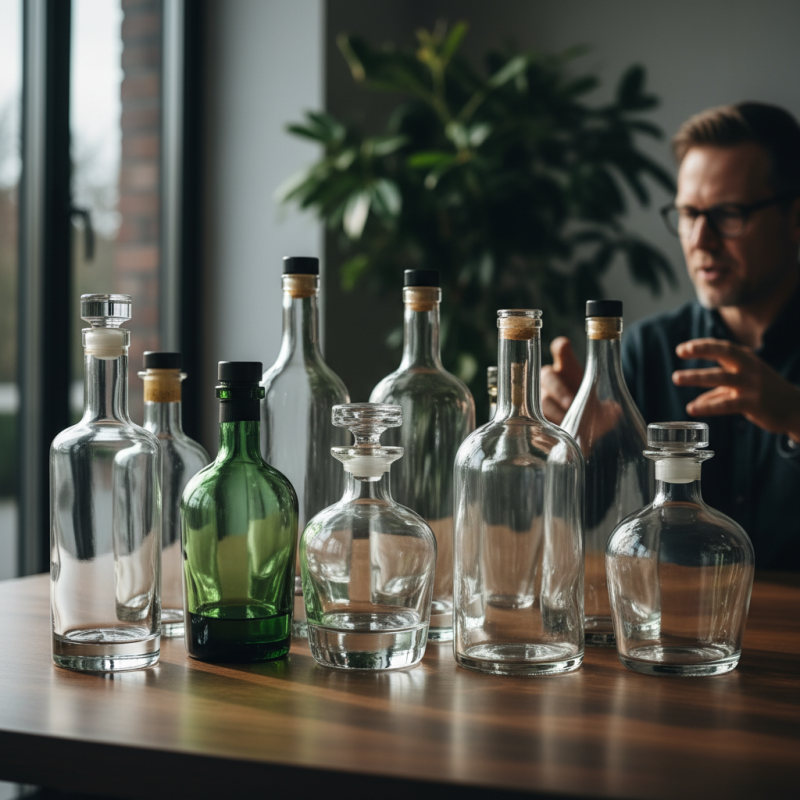
Different types of liquor glass bottles serve specific purposes. Standard bottles, often used for spirits, typically hold 750 ml. Specialty bottles, designed for premium liquors, can be larger, sometimes reaching 1.5 liters. A recent industry analysis highlighted that 40% of consumers are more likely to purchase a product that features an intricately designed bottle.

While functionality is important, many brands overlook the impact of sustainable materials. Glass production can have environmental implications. In fact, reports show that 70% of consumers prefer eco-friendly packaging. This presents a challenge for manufacturers. Striking a balance between creativity and responsibility is crucial. Many brands must navigate this complex landscape.

Key Features to Consider When Selecting Liquor Glass Bottles

When selecting liquor glass bottles, several key features demand attention. The shape of the bottle influences both aesthetics and functionality. For example, a wider base can provide stability, while a slender neck enhances pour control. Consider how the design complements the liquor inside it. A visually pleasing bottle can enhance customer perception.

Next, think about the material quality. Glass thickness is crucial for durability. Thinner glass may shatter easily, while thicker glass can offer a more substantial feel. Look for bottles that are resistant to breakage. A poorly chosen bottle can detract from the drinking experience.

The closure mechanism also matters. Corks, metal caps, or screw tops all serve different purposes. Each closure type has its pros and cons, so evaluate based on the intended use. How does it seal? Will it preserve flavor over time? Addressing these details ensures the right choice. Making a decision may lead to second guesses; it’s essential to reflect on final selections.

Market Trends and Consumer Preferences for Glass Bottle Designs

As the global market for liquor continues to evolve, consumer preferences for glass bottle designs play a crucial role. Recent data indicates that eco-conscious buyers prefer sustainable packaging. A 2023 industry report revealed that 70% of consumers are influenced by the environmental impact of packaging materials. This shifts branding strategies toward recyclable glass options.

Design features matter significantly. More buyers look for unique shapes and vibrant colors. Analysis shows that 58% of consumers find innovative designs more attractive. However, brands face a challenge in balancing aesthetics with production costs. Many are still forced to conform to conventional designs to manage expenses. The perception of luxury often relies heavily on packaging. Yet, simplistic designs are trending. This shows the growing demand for minimalistic aesthetics, aligning with modern consumer lifestyles.

It's essential for brands to stay updated on these trends. Ignoring shifts in consumer behavior can result in missed opportunities. Market reports suggest that adapting to dynamic preferences is key to staying relevant. The liquor industry must continuously innovate, not just in taste but in presentation as well. This dual focus may lead to increased customer loyalty. Brands must engage in consumer feedback. Understanding preferences can lead to better product offerings in a competitive landscape.

Sustainability in Liquor Glass Bottle Production and Materials

Sustainability is a critical focus in the liquor glass bottle industry. The production of glass bottles uses natural resources, primarily silica sand, which raises concerns about extraction impacts. Additionally, the energy-intensive process of making glass can contribute to significant carbon emissions. According to a 2022 report by the Glass Packaging Institute, glass production is responsible for about 0.8% of global CO2 emissions. This calls for action towards more sustainable practices.

One way to enhance sustainability is by using recycled materials. Reports indicate that recycling glass reduces energy use by up to 30%. Utilizing post-consumer recycled glass can minimize waste and lower the need for raw materials. Manufacturers are integrating recycled glass into their production processes, leading to both sustainability and reduced costs. However, the recycling industry faces challenges, such as contamination and fluctuating raw material prices, which can affect glass quality.

**Tip:** Consider products made from at least 25% recycled glass. This can promote sustainability and reduce environmental impact.

As buyers, seeking companies with transparent sustainability practices is essential. Look for those that engage in carbon offset programs or employ renewable energy sources. The liquor industry must continuously improve its practices. There's still room for innovation in making glass production greener while maintaining quality and aesthetics.

Cost Analysis: Pricing Trends for Liquor Glass Bottles in 2026

As the liquor market evolves, understanding pricing trends becomes vital for buyers. In 2026, the cost of glass bottles will show significant shifts. Factors influencing prices include global supply chain disruptions and material costs. The recent rise in raw materials affects production rates.

Market analysts predict variations in pricing across regions. Some areas may experience surges, while others maintain stability. Local economic conditions will also play a crucial role. Buyers should focus on multiple suppliers to assess competitive pricing.

Detailed comparisons of costs can reveal valuable insights. It’s essential to keep an eye on market reports. The lack of consistent price trends makes long-term planning challenging. Frequent fluctuations may require buyers to adapt quickly. Engaging with local experts can provide clarity in this complex market.

FAQS

: What types of liquor glass bottles are there?

: There are standard bottles, specialty bottles, and unique designs for premium liquors.

How much do standard liquor bottles usually hold?

Standard liquor bottles typically hold around 750 ml of liquid.

Why do consumers prefer unique bottle designs?

About 65% of buyers value aesthetics over functionality when selecting bottles.

What size can specialty bottles reach?

Specialty bottles designed for premium liquors can reach sizes up to 1.5 liters.

What packaging do most consumers prefer?

Approximately 70% of consumers prefer eco-friendly packaging options.

How does the cost of glass bottles change?

The cost of glass bottles can vary due to supply chain disruptions and material costs.

Why is pricing difficult to predict?

The lack of consistent price trends means that buyers face frequent fluctuations.

How can buyers assess pricing effectively?

Buyers should engage with multiple suppliers to compare and find competitive pricing.

What challenges do manufacturers face?

Manufacturers must balance creativity in design with the need for sustainable materials.

What is the impact of local economic conditions?

Economic conditions in different regions can significantly influence bottle pricing stability.

Conclusion

The article titled "2026 Best Liquor Glass Bottle Buying Guide for Global Buyers" provides a comprehensive overview of essential considerations for selecting liquor glass bottles in the current market. It begins by categorizing the various types of liquor glass bottles available in 2026, highlighting their unique features and uses. Consumers are encouraged to pay attention to key characteristics such as durability, design, and functionality when making their selection.

Additionally, the article delves into market trends and consumer preferences, noting the increasing demand for innovative and sustainable designs in liquor glass bottles. Sustainability is emphasized, as producers are increasingly adopting eco-friendly materials and practices. Lastly, a cost analysis of pricing trends for liquor glass bottles reflects the evolving marketplace, offering insights into purchasing decisions for global buyers. This guide serves as a valuable resource for anyone looking to navigate the diverse options in the liquor glass bottle market.


Oliver

Oliver

Oliver is a seasoned marketing professional with a wealth of expertise in driving brand awareness and engagement. With a deep understanding of our company's product offerings, he consistently delivers high-quality content that enriches our professional blog. His insights not only shed light on......